



Course Overview
This programme explores the interconnectedness between animals and their environment through theoretical and practical competencies, related to both research and industry settings. It is a broad-based programme that investigates the diverse relationships between captive or wild animal situations in relation to a range of habitat management and conservation strategies. Being able to develop ecosystems to increase biodiversity and design environments to enrich an animal’s wellbeing are key skills at a national and international level. Ecological techniques relevant to monitoring species and their habitats are also undertaken.
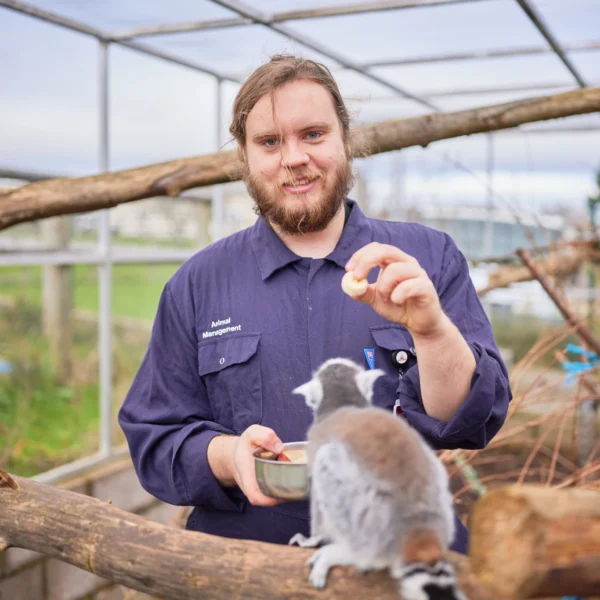
The programme is delivered by teaching staff with a wide range of industry and research experience at University Centre Somerset’s Cannington campus. There are a range of facilities available to further support academic studies, such as an extensive animal collection and access to local environments such as Steart Marshes, the first WWT working wetland.
As part of your degree, you will be required to undertake work experience in the first year in an industry-related business. In addition, a variety of optional visits to external organisations aid the development of existing skill sets.
Assessment Methods
The modules are assessed through a combination of coursework and Time Constrained Essays. Coursework could include written/practical reports, case studies, essays, oral presentations, posters or a project (Level 5) and dissertation (Level 6) both of which allow independent research in a topic of interest, developed with staff on the programme.
Progression Options
Successful completion of this degree could help learners gain employment within an animal establishment, zoological collection, wildlife organisation, conservation body or ecological consultancy. In addition, upon successful completion of the BSc (Hons), progression to a Masters Degree or PhD could be an option. Graduates could progress to an MSc in Animal Behaviour, or Wildlife/Zoo Conservation or Ecology.
Entry Requirements
Typically, entrants will possess:
- A minimum of 80 UCAS points from a full Level 3 qualification
- Five GCSEs including English language, maths and science at grade 4 and above, or recognised equivalent
- Applicants with English as their second language must have a minimum IELTS level 6 or equivalent.
Additional Equipment Required
- PPE is required for practicals on the animal unit: steel toe-capped boots or wellingtons plus blue overalls are needed. They can be obtained from agricultural stores
- Waterproof clothing, sensible walking boots and high visibility jackets may be required for working in external environments
- Optional trips and visits offered will incur additional cost.
Modules may include
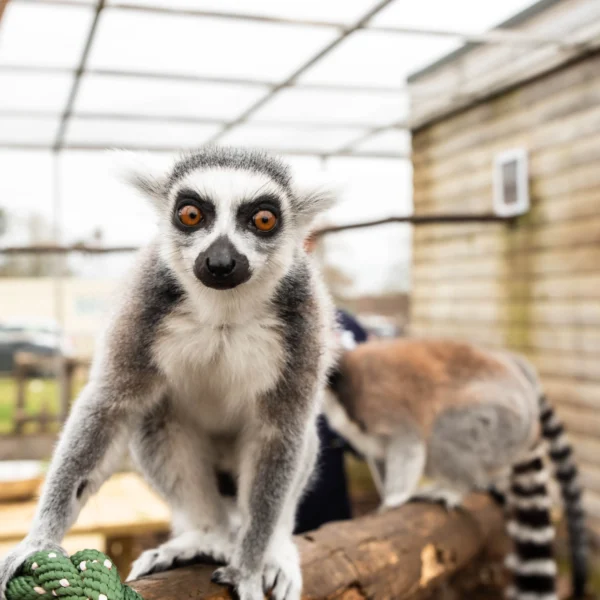
- Management of Captive Animals
- Animal Health Diagnostics
- Enclosure and Enrichment Design
- Evolution and Adaptation
- Field and Behavioural Monitoring Techniques
- Introduction to Ecological Principles and Habitats
- Ecological Monitoring and Habitat Management
- Animal Behavioural Management.
Fees and additional costs
Subject to the maximum fee limits set out in regulations, we will review the fees and may increase them in line with the Retail Price Index (RPI-X)
Frequently Asked Questions
The application route depends on your chosen study mode. For full-time undergraduate degrees, you will need to apply via UCAS. If you are applying for a part-time course, a professional qualification, or a Degree Apprenticeship, you can usually apply directly through our website using the ‘Apply Now’ button on the course page. If you need any guidance, our Admissions team is always on hand to help.
Every programme at University Centre Somerset is designed as a ‘Degree for Real Life.’ We focus heavily on employability, meaning your studies will be directly linked to industry needs. You will benefit from work-based learning, live commercial briefs, and our strong regional employer networks. Additionally, our dedicated Careers team offers 1:1 guidance to help you refine your CV, prepare for interviews, and build your professional network.
Transitioning to higher education is a significant step, and we treat you as an independent adult while providing robust support. You will be assigned a personal academic tutor to guide your academic progress. We also offer dedicated Higher Education study skills sessions, library support, and a comprehensive Student Support team providing confidential advice on mental health, wellbeing, and financial concerns.
Most UK students studying a first degree, Foundation Degree, or HND are eligible for tuition fee and maintenance loans through Student Finance England. If you are studying a Degree Apprenticeship, your tuition fees are fully funded by your employer and the government, and you earn a salary while you learn. We also offer advice on eligible bursaries and financial hardship funds – contact our Student Support team for tailored advice.
Yes. We offer dedicated, independent student accommodation tailored for our higher education learners, primarily based at our Taunton and Cannington campuses. Our HE options provide a safe, comfortable, and mature environment that fosters a strong learning community, with easy access to our state-of-the-art campus facilities.
Absolutely. We welcome applications from mature students and those with non-traditional qualifications. We consider a wide range of experience, including vocational qualifications, Access to HE diplomas, and relevant professional experience. If you are unsure whether your current qualifications meet the entry criteria, please get in touch with our admissions team to discuss your individual pathway.
We understand that many of our HE students balance their studies with employment and family commitments. We strive to condense our full-time degree timetables into a few days a week to allow for part-time work or independent study. Our part-time routes are specifically designed to be flexible for working professionals.
We are here to help. You can submit a direct enquiry using the form our Contact page, or you can contact our Higher Education admissions team via email or phone. We also highly recommend registering for our next Open Event, where you can speak directly with the lecturers and tour our advanced facilities.


